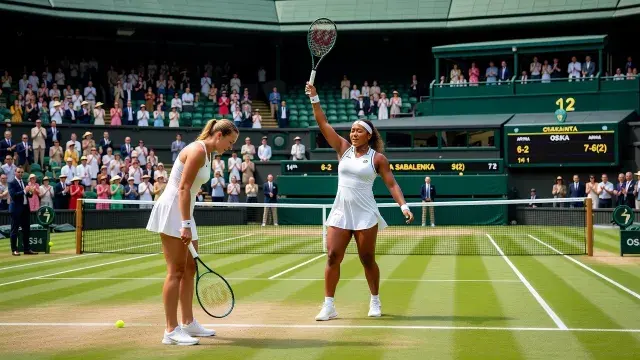
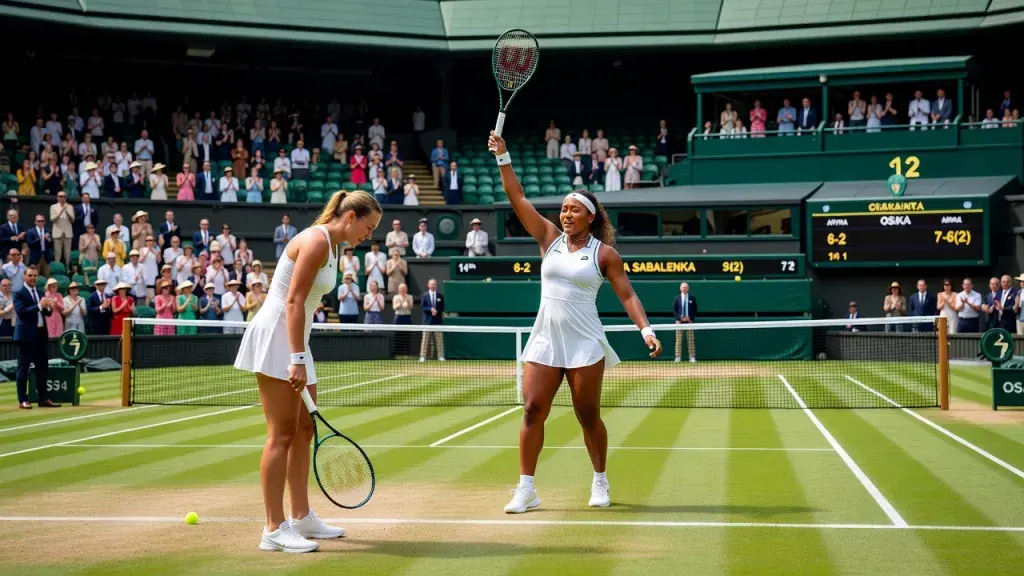
Naomi Osaka delivered one of the standouts results of this Wimbledon fortnight, defeating world number one Aryna Sabalenka 6-2 7-6(2) on Centre Court to reach the quarter-finals. The 14th seed was dominant from the outset, neutralising Sabalenka's power-heavy game with clinical precision and composure that belied the magnitude of the occasion. With the top three seeds now eliminated from the draw, the women's singles title is wide open heading into the final stretch.
The victory carries remarkable weight beyond the scoreline. Osaka is competing in her first full Wimbledon campaign following maternity leave, having given birth to her daughter Shai and returned to the tour in 2024. Her resurgence on grass - a surface historically less kind to her than hardcourt - speaks to the work put in during her rehabilitation period. Sport rarely moves in straight lines, and just as the football world watches unlikely storylines unfold - such as the kind of fixture narrative you get when sides like crystal palace everton open a Premier League season - Osaka's return follows its own unpredictable arc, making it all the more compelling to follow.
Perhaps the most telling detail of the win was Osaka ending Sabalenka's 21-match tiebreak winning streak in the second-set decider. Tiebreaks at that level are as much about nerve as they are about tennis, and Osaka's 7-2 romp in that shootout suggested not just tactical awareness but a mental assuredness that had sometimes appeared fragile in recent years. Sabalenka, who had entered the match as one of the firm favourites for the title, was unable to impose her usual aggressive baseline game on a player who matched her intensity and redirected it with sharper angles and greater variety.
A Reshaped Draw and What Comes Next
With Sabalenka's exit, the women's bracket at SW19 has lost a significant portion of its expected architecture. The elimination of the top three seeds in a single slam creates opportunity for those below them in the rankings, and Osaka is now perfectly positioned to capitalise. Her next opponent is Czech 10th seed Karolína Muchová, a player with considerable grass-court pedigree and the kind of creative, sliced game that can trouble even the most settled opponents. It will be a test of a very different nature to the one Osaka just passed.
The Broader Significance of Osaka's Return
There is a reason Osaka's Wimbledon run is drawing attention well beyond the usual tennis audience. Her return from maternity leave, combined with the mental health challenges she has spoken about publicly in recent years, makes every tournament milestone feel layered. Reaching a Grand Slam quarter-final in these circumstances is a sporting achievement on its own terms, separate from the cultural conversation that invariably surrounds her. On a day when Centre Court needed a story, Osaka provided one - and she did it with her racket.