Mail delays cost large corporations millions in lost interest annually, as checks languish in transit before reaching accounting departments. This float period disrupts cash forecasting and ties up capital that could fund operations. Banks address this through lockbox services, where payments route directly to secure postal boxes for immediate processing. A lockbox arrangement streamlines collections by outsourcing check handling to financial institutions, cutting deposit times from days to hours.
Professionals in accounts receivable often overlook lockbox options amid digital payment shifts, yet paper checks persist—representing over 40% of B2B transactions in some sectors. Understanding lockbox arrangements reveals tools for efficiency gains without overhauling payment systems. This article breaks down definitions, types, setup processes, applications, and strategies. Readers gain actionable insights into what are lock boxes used for, how to implement them effectively, and when they deliver maximum return. Whether managing high-volume remittances or optimizing treasury functions, these details equip finance teams to act decisively.
Defining a Lockbox
Core Concept and Description
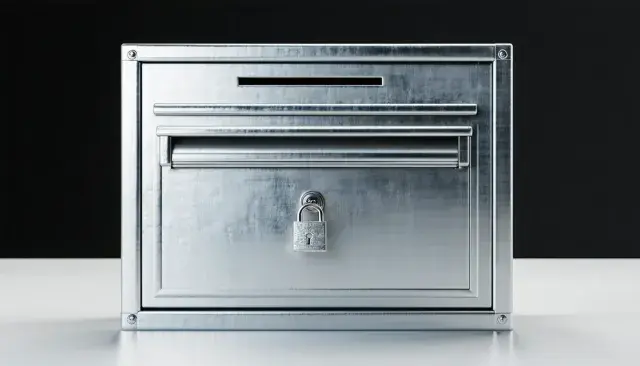
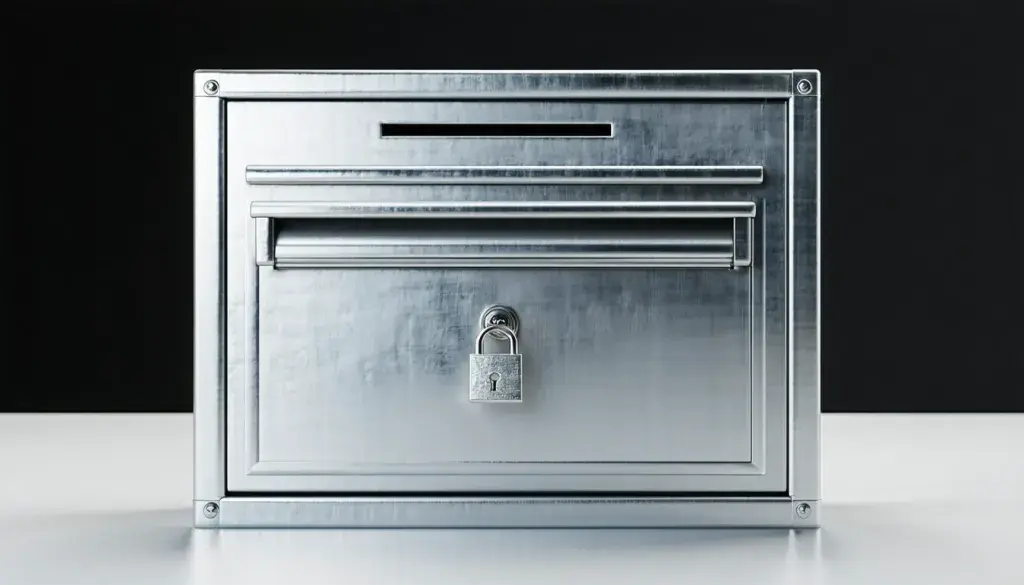
A lockbox can be described as a postal address controlled by a bank, dedicated to receiving customer payments. Senders mail checks to this box; bank staff retrieve mail daily, open envelopes, scan instruments, deposit funds, and forward data to the client company. This setup bypasses internal mailrooms and processing delays.
Key Components
Essential elements include the physical post office box, processing center, imaging technology for digital records, and data transmission protocols. Banks provide lockbox statements detailing deposits, often via secure online portals. Clients customize rules for exceptions like short payments or unsigned checks.
Types of Lockbox Arrangements
Concentration Lockbox
Concentration lockboxes centralize payments from a broad customer base into one location. Banks handle high volumes efficiently, ideal for national firms with dispersed payers. Funds wire to the company's primary account post-deposit.
Customer Lockbox
Customer lockboxes dedicate a box per major client, preserving relationship control. Useful when payers remit large sums irregularly; the bank processes under client-specific guidelines. This type suits industries like utilities with account-number driven payments.
Hybrid Approaches
Hybrid models blend concentration and customer features, assigning sub-boxes within a main facility. Banks scale processing dynamically, accommodating seasonal spikes. Clients balance cost with customization through these flexible lockbox arrangements.
Lockbox Arrangement Process
Steps to Establish
Initiate by assessing payment volumes and types; select a bank partner. Negotiate service levels, sign agreements, print new remittance addresses on invoices. Test runs verify accuracy before full rollout.
Selecting Providers
Evaluate banks on geographic coverage, technology integration, and error rates. Review fees per item processed versus float savings. Pilot programs confirm fit before committing to a lockbox arrangement.
Regulatory Considerations
Comply with ACH rules and check imaging standards under Check 21 Act. Ensure data security meets SOC standards. Document payer notifications to avoid disputes.
What Are Lock Boxes Used For?
Streamlining Receivables
Lock boxes primarily accelerate cash inflows, reducing days sales outstanding. Companies deploy them to capture funds faster, improving liquidity metrics.
Cost Efficiency
Outsourcing cuts staff hours on check handling; banks absorb postage and supplies. Mid-sized firms offset fees through volume discounts.
Enhanced Reporting
Daily electronic files enable real-time AR updates. Finance teams apply payments precisely, minimizing unallocated cash.
Risk Reduction
Secure handling lowers theft or loss risks compared to internal mail. Duplicate detection prevents double deposits.
Advantages and Challenges of Lockboxes
Primary Benefits
Lockboxes shorten collection cycles, freeing capital for investment. Automated data flows integrate with ERP systems seamlessly. Scalability handles growth without proportional staff increases.
Potential Limitations
Upfront setup demands customer education; resistance slows adoption. Fees accumulate on low-value checks. Dependence on bank uptime poses minor risks.
Measuring ROI
Track float reduction against costs; aim for payback within months. Compare pre- and post-implementation DSO figures.
Best Practices for Lockbox Success
Customer Onboarding
Communicate changes early via statements and emails. Offer FAQs and toll-free support. Monitor adoption rates quarterly.
Performance Monitoring
Review monthly reports for deposit accuracy and speed. Audit samples for errors. Renegotiate terms based on volumes.
Technology Integration
Link lockbox files to accounting software for auto-posting. Enable positive pay for fraud checks. Explore electronic lockbox for ACH complements.
How much does a lockbox service cost?
Costs range from $0.50 to $2 per check processed, plus setup fees of $1,000-$5,000 and monthly minimums. Banks tier pricing by volume; high-transaction clients negotiate lower rates. Factor in float savings, often exceeding expenses within six months.
What is the difference between concentration and customer lockboxes?
Concentration lockboxes pool all payments into one box for efficiency, suiting diverse payers. Customer lockboxes assign dedicated boxes per major account, allowing tailored handling. Choose based on payer concentration and control needs.
Are lockboxes suitable for small businesses?
Small firms with under 1,000 checks monthly often find fees outweigh benefits. Viable if volumes justify or paired with electronic options. Start with bank trials to test economics.
How do you transition customers to a new lockbox address?
Announce 60-90 days ahead on invoices, statements, and websites. Use dual addresses temporarily. Track stragglers via reminders; full compliance typically hits 95% in three months.
Can lockboxes handle international payments?
Domestic lockboxes process U.S. checks effectively; international requires specialized services with currency handling. Banks offer global lockbox variants for cross-border wires and drafts.
What metrics indicate lockbox effectiveness?
Monitor mail-to-deposit time, deposit accuracy rate above 99%, and DSO reduction. Compare interest earned on earlier funds against fees. Adjust based on quarterly benchmarks.